When a student moves to Bengaluru for college, coaching, an internship or a first job, parents often help shortlist accommodation and review the payments. But the student is the person who will live there every day. The strongest decision is made together: parents check the financial and practical details, while the student checks whether the room, rules and daily routine will actually work.

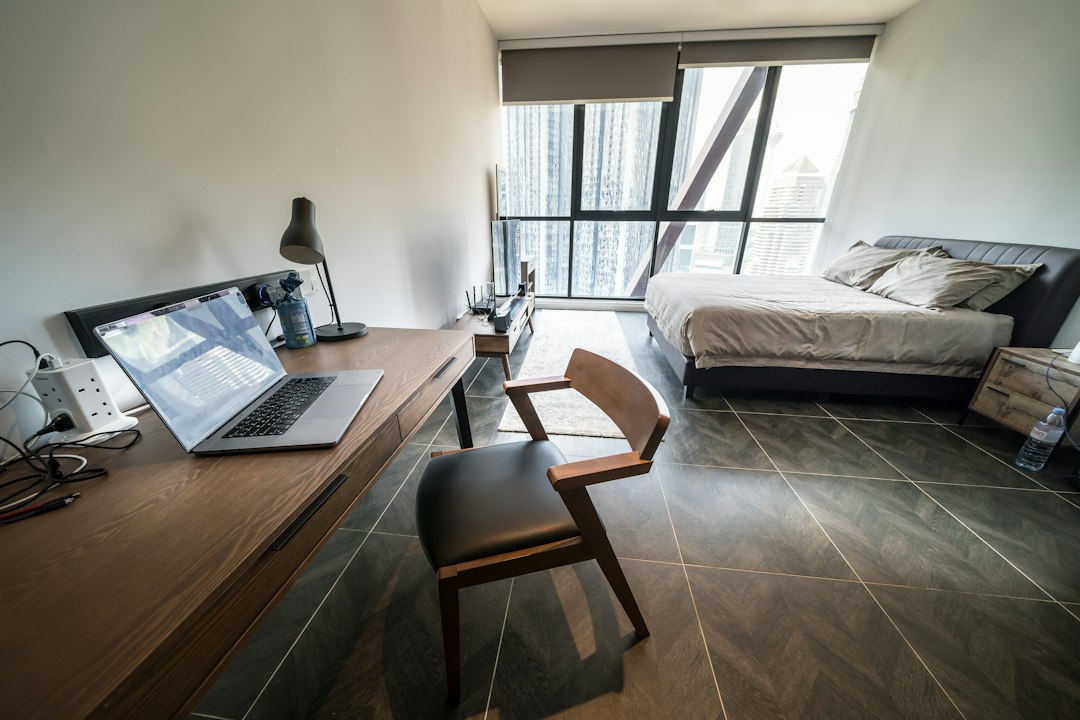
This guide is for families comparing a PG for students in Bangalore. It is not a promise that every property offers the same facilities or safeguards. Use it to ask better questions, record the answers and compare the actual room and written terms before making a payment.
1. Start with the student’s routine, not the locality name
“Near college” or “close to the office” is too vague to make a decision. First write down the student’s real weekly routine:
- College, training centre or workplace address and reporting time.
- Class or work hours, including any late finishes or weekend schedule.
- Expected stay duration and likely move-in date.
- Whether the student prefers a single room or is comfortable sharing.
- Meal requirements, food timings and any practical dietary needs.
- Daily travel method and a realistic commute budget.
- The total monthly accommodation budget and one-time move-in limit.
Then check the exact door-to-door route from each shortlisted property at the time the student will travel. A locality may be familiar, but two properties in the same area can have different last-mile walks, road crossings and transport options. Compare the actual address, not just the area label.
2. Build a shortlist using the same comparison criteria
Do not compare one property’s rent with another property’s rent while ignoring what is included. Create a shortlist of three or four options and record the same fields for each:
- Exact address and commute to the campus or workplace.
- Room type, sharing capacity and the specific bed being offered.
- Monthly rent and what that amount includes.
- Food, electricity, Wi-Fi, laundry and other separate charges.
- Security deposit, any one-time charges and refund conditions.
- Notice period, lock-in or minimum-stay terms, if applicable.
- Entry rules, visitor policy, quiet hours and housekeeping schedule.
- Name and contact details of the owner or authorised property manager.
Keep “confirmed”, “shown in the listing” and “still to be checked” separate. A photo or a phone assurance is not the same as seeing the exact room and receiving the terms in writing.
3. Inspect the exact room and bed the student will use
A property tour is useful only if it shows the accommodation being offered. During an in-person visit or live video walkthrough, ask the owner or manager to show:
- The exact room, bed number and sharing arrangement.
- Mattress, storage, cupboard, charging points, fan and any advertised appliance.
- Windows, ventilation, room door and working lock.
- Bathroom condition, water availability and cleaning arrangements.
- Common areas, dining space, drinking-water point and permitted food-storage area.
- Building entrance, staircase or lift, corridor lighting and accessible exits.
- Mobile network reception and Wi-Fi in the actual room, if connectivity matters to the student.
Ask whether the room shown is the room that will be allocated. If the property offers a different room after booking, ask how the change will be agreed and documented. Do not assume that photographs of a model room represent every room in the building.
4. Let the student test whether the living arrangement fits
Parents may focus on price and location; students often notice the daily details that decide whether a stay is comfortable. Give the student time to ask questions directly and, where possible, speak with the current manager or a resident who is willing to share their experience.
- Room sharing: How many residents use the room? Is the bed allocation clear?
- Study and rest: Is there a suitable place to study? What are the quiet-hour expectations?
- Food: What are the current meal timings? Are meals included or charged separately?
- Cleaning: How often are rooms and shared bathrooms cleaned? At what time?
- Laundry: Is it self-service or paid? What are the collection and return arrangements?
- Visitors: What are the actual visitor rules and visiting hours?
- Maintenance: Whom should the student contact if a lock, tap, fan or appliance stops working?
These answers should be checked against the property’s written house rules. If the student and owner have different expectations, resolve the difference before paying.
5. Compare the full cost, including one-time payments
A lower advertised rent does not always mean a lower monthly cost. Prepare a simple comparison sheet and fill it only with amounts confirmed by the property.
| Cost item | Property A | Property B |
|---|---|---|
| Monthly rent | ₹____ | ₹____ |
| Food or meal charges | ₹____ | ₹____ |
| Electricity / AC charges | ₹____ | ₹____ |
| Wi-Fi, laundry or other services | ₹____ | ₹____ |
| Monthly commute | ₹____ | ₹____ |
| Other recurring charges | ₹____ | ₹____ |
| Estimated monthly total | ₹____ | ₹____ |
| Security deposit | ₹____ | ₹____ |
| Other one-time charges | ₹____ | ₹____ |
Keep the security deposit and other one-time payments separate from the monthly total. Ask what is refundable, what deductions may apply, how the room condition is recorded at move-in and when the refund is expected to be processed under the written terms. For a more detailed payment review, use our PG deposit checklist for Bangalore.
6. Read the written stay terms together
Before paying, ask for the terms that will apply to this student and this room. Read the document with the student rather than assuming the parent and resident have understood the same arrangement.
- Resident’s name, property address, room or bed allocation and joining date.
- Monthly rent, due date and the list of included and excluded services.
- Deposit amount, refund process and any stated deductions.
- Notice period, minimum stay or lock-in, if applicable.
- Cancellation, early-exit and room-change conditions.
- House rules covering entry, visitors, food, noise and shared facilities.
- Who handles maintenance requests and payment-related questions.
- How changes to rent, room allocation or other terms will be communicated.
If an important point was promised on a call but is missing from the written terms, request a corrected written confirmation. Our guide to verifying a PG before booking online explains how to check the address, exact room, payment recipient and other details when a family cannot visit in person.
7. Verify the person, property and payment instructions
Confirm who owns or manages the property and who is authorised to discuss admission and receive payment. Check that the payment instructions match the details provided by the authorised person. If the recipient or amount changes at the last minute, pause and verify through a contact method you already trust.
- Ask for a written cost breakdown before transferring money.
- Confirm the property address and the room being offered.
- Use a traceable payment method and retain the transaction reference.
- Request a receipt that identifies the payment purpose, amount, date and recipient.
- Do not share UPI PINs, banking passwords or one-time passwords with anyone.
- Share identity documents only when the purpose is explained; avoid sending unnecessary copies into informal group chats.
For common admission-document questions and privacy precautions, see documents required for PG admission in Bangalore. This article is a practical checklist, not legal advice or a substitute for checking the documents and rules that apply to a particular property.
8. Agree on a practical safety and emergency plan
Do not rely on a broad label such as “safe PG”. Inspect the arrangements that matter to the student: the entrance, room lock, corridor lighting, visitor process, building access and the route between the property and the usual transport point. Ask who is available for a property issue and how the student can contact that person after normal office hours.
Save the property manager’s contact, a trusted local contact, the campus or workplace contact and the student’s emergency contacts. In India, 112 is the Government of India’s pan-India emergency response number for emergencies involving services such as police, fire and health assistance. See the official Emergency Response Support System website. Use emergency services for emergencies, not routine accommodation queries.
Families considering a women’s PG can also review our separate women’s PG safety checklist. It covers additional questions about privacy, entry arrangements and property rules. No checklist can guarantee a person’s safety; it helps families inspect and discuss specific arrangements.
9. Keep the student involved after the booking
Parents can help with research, budget checks and payment records without making the student a passive participant. The student should know the property’s rules, understand the payment schedule, have the manager’s contact and know how to raise a maintenance or accommodation concern.
Agree on a communication routine that works for both sides. For example, the student may message after move-in and share any significant change in room, contact details or travel arrangements. Avoid treating continuous location tracking or repeated calls as a substitute for checking the property’s actual arrangements and building trust with the student.
10. Use a first-month check-in plan
A simple timeline helps the family catch practical issues early without waiting for a problem to become serious.
Before move-in
- Save the final property address, manager contact and written stay terms.
- Keep the payment receipt and a copy of the agreed cost breakdown.
- Record the room and bed allocation and note the visible condition of the room.
- Confirm joining time, key handover and what the student needs to bring.
During the first 24 hours
- Check the room lock, lights, fan, water, bathroom and agreed facilities.
- Confirm the student knows the entrance process and emergency contact.
- Report any mismatch between the promised room and the room provided.
During the first week
- Check whether commute, food timings, cleaning and study arrangements work in practice.
- Raise maintenance issues through the agreed contact and keep a record of the request.
- Clarify any house rule that was not explained before admission.
At the end of the first month
- Review the actual spend against the budget.
- Confirm rent and other payment records are up to date.
- Discuss any recurring problem with the property manager.
- Check that the student is comfortable with the arrangement and knows the notice process if plans change.
Parent-and-student comparison scorecard
Use this table for each shortlisted property. Mark a point as “not checked” rather than guessing. A property should not win simply because it has the lowest rent if a critical question about the room, payment or written terms is unresolved.
| Decision area | What to verify | Status |
|---|---|---|
| Location | Exact address and door-to-door commute | Checked / Pending |
| Room | Exact room, bed, sharing and condition | Checked / Pending |
| Daily routine | Food, cleaning, study, laundry and entry rules | Checked / Pending |
| Cost | Monthly total, deposit and one-time charges | Checked / Pending |
| Written terms | Notice, cancellation, refund and house rules | Checked / Pending |
| Payment | Authorised recipient and receipt process | Checked / Pending |
| Support | Manager contact and emergency arrangements | Checked / Pending |
| Student comfort | Student has visited or completed a live walkthrough | Checked / Pending |
Red flags: pause before paying
- The owner or manager refuses to show the exact room or confirm the address.
- The available bed, rent or deposit changes without a clear written explanation.
- You are pressured to pay immediately before receiving the terms.
- The payment recipient cannot be explained or verified.
- No receipt or written confirmation is offered.
- Important rules are described differently by different staff members.
- The student is discouraged from asking questions or seeing the property.
- Someone asks for an OTP, UPI PIN, password or remote access to a phone.
One unresolved red flag is a reason to pause and verify—not a reason to rush because a property is described as having “limited beds”.
Frequently asked questions
Should parents book a PG without the student visiting?
It is better for the student to participate in the visit or a live video walkthrough. If an in-person visit is not possible, ask to see the exact room and bed, confirm the address, review the written terms and independently verify the payment recipient before paying.
What should parents check first when choosing a student PG in Bangalore?
Start with the exact commute to the college or workplace, the room and sharing arrangement, the full monthly cost, written stay terms and the contact available for property issues. The student should also confirm that the daily routine and house rules are workable.
How much should a family budget for a PG?
There is no single reliable amount for every locality or room type. Add the quoted rent, food, electricity, transport, laundry and other recurring charges. Keep the deposit and one-time move-in costs separate, and compare the same items across properties.
What documents are commonly requested for PG admission?
Requirements vary by property. Ask the owner why each document is needed, how it will be used and how it will be stored. Our PG admission documents guide covers common requests and privacy questions.
Is a PG better than a flat for a college student?
It depends on the student’s budget, preferred privacy, food arrangements, length of stay and willingness to manage household responsibilities. Compare both options using our PG vs flat comparison for Bangalore.
Can parents stay involved after the student moves in?
Yes. Agree on a practical check-in routine, keep important contacts and payment records, and encourage the student to raise property issues directly as well. The arrangement should support the student’s independence while keeping a trusted support network available.
Explore PG options with NiwasNest
Families can use the NiwasNest PG and hostel accommodation marketplace to explore available property information and compare options. Use the listing details as a starting point, then confirm the exact room, current availability, full charges, payment instructions and written stay terms with the property before committing.
The right PG is not simply the closest or cheapest option. It is the option whose room, commute, costs and rules the student understands and is comfortable accepting.